PUBOR VILLAGE, UPPER NILE REGION, SOUTH SUDAN
TRADITIONS ESTABLISHED IN 1800S
6,000 PEOPLE PER DWELLING (HUT)
About Us
Our Story
In 2009 and 2011, JED established two schools in the Upper Nile Region (Maakal State)—one in Pubor and another in Torkiel—providing education to approximately 850 children. These schools became vital centers for learning and community development. However, the outbreak of the South Sudanese Civil War in December 2013 led to widespread displacement and the eventual abandonment of these schools. Despite the staff’s dedication and the community’s commitment to education, escalating violence forced villagers to flee, leaving behind their homes and the schools. With the conflict officially ending in August 2015, many refugees have returned to their villages, which now have populations similar to pre-war times. Yet, the schools remain closed. The Sudanese government’s limited resources are focused on larger cities, leaving rural communities like Puobor and Torkiel without support. Recognizing this gap, JED is committed to revitalizing educational opportunities in these regions. By embracing the principle of subsidiarity, we aim to empower local communities to rebuild and sustain their educational institutions, ensuring that children in these areas have access to quality education once again.
HISTORICAL SUCCESS
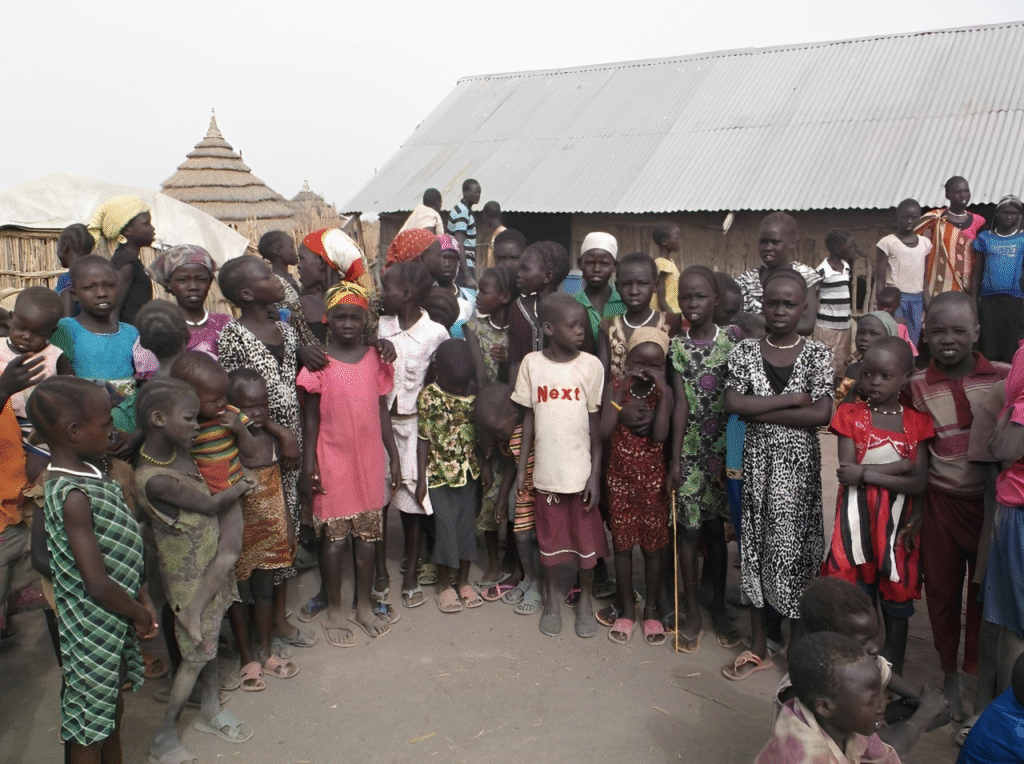
Pubor School: A Beacon of Hope
Established in 2009, Pubor School was the first educational institution in its village since Sudan’s independence in 1956. It quickly became a cornerstone of the community, educating children during weekdays and offering adult education in the evenings and weekends. To ensure sustainability, JED built an adjacent general store, generating income to fund teachers and supplies, effectively supporting 500 children with just two teachers and one support staff.
In 2012, devastating floods destroyed the school, but the resilient community rebuilt it by 2013. However, the civil war forced many residents to flee, leaving the school closed. By August 2015, as peace returned, most refugees had come back, yet the school remained shut. Overwhelmed by nationwide challenges, the Sudanese government has been unable to provide aid to rural areas like Pubor.
Today, the empty school stands as a testament to both the community’s past achievements and the pressing need for renewed support. Reviving Pubor School is essential to restoring hope and providing education for the next generation.
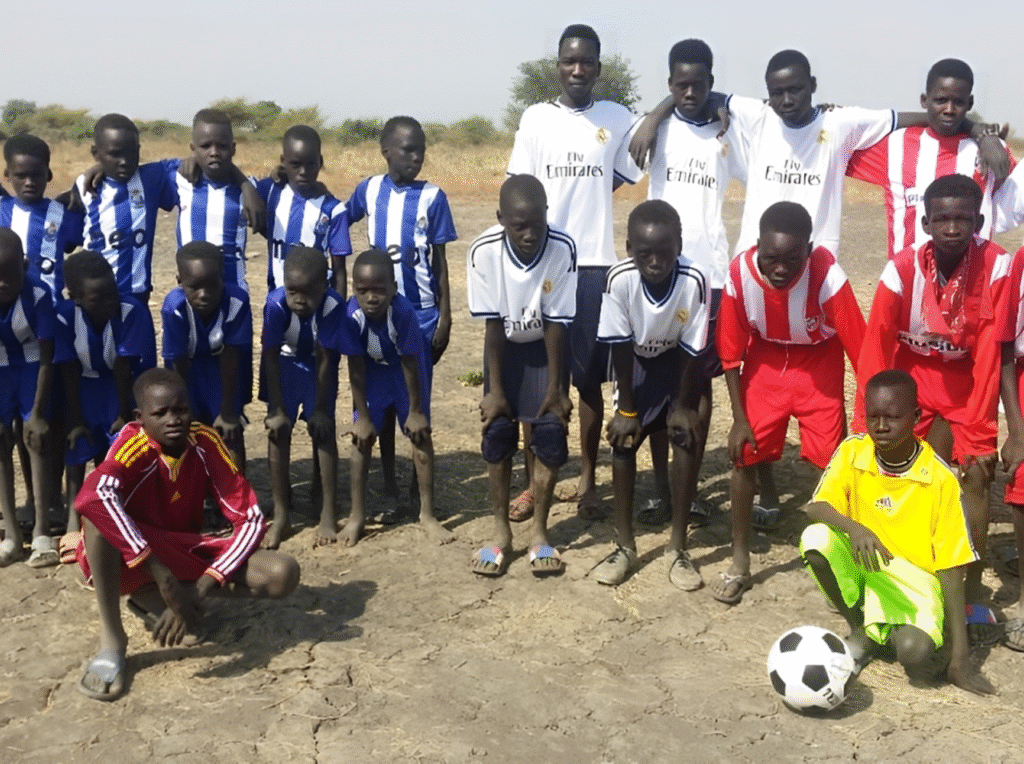
Torkiel School: A Community's Commitment to Education
Established in 2011 by John Khan and the village’s parent committee, Torkiel School stands as a testament to grassroots educational initiatives. The school was inaugurated by local community leaders, marking a significant achievement despite the absence of county government officials, who were engaged in preparations for South Sudan’s Independence Day on July 9.
Tragically, in 2019, severe flooding devastated the region, leading to the destruction of Torkiel School. This event was part of a broader crisis that affected over 190,000 people across Sudan, causing extensive damage to homes and infrastructure.
John Khan has been instrumental in educational development efforts throughout Sudan. Renowned for his attentive listening and insightful guidance, his unwavering dedication has been invaluable in supporting and uplifting communities across the nation.
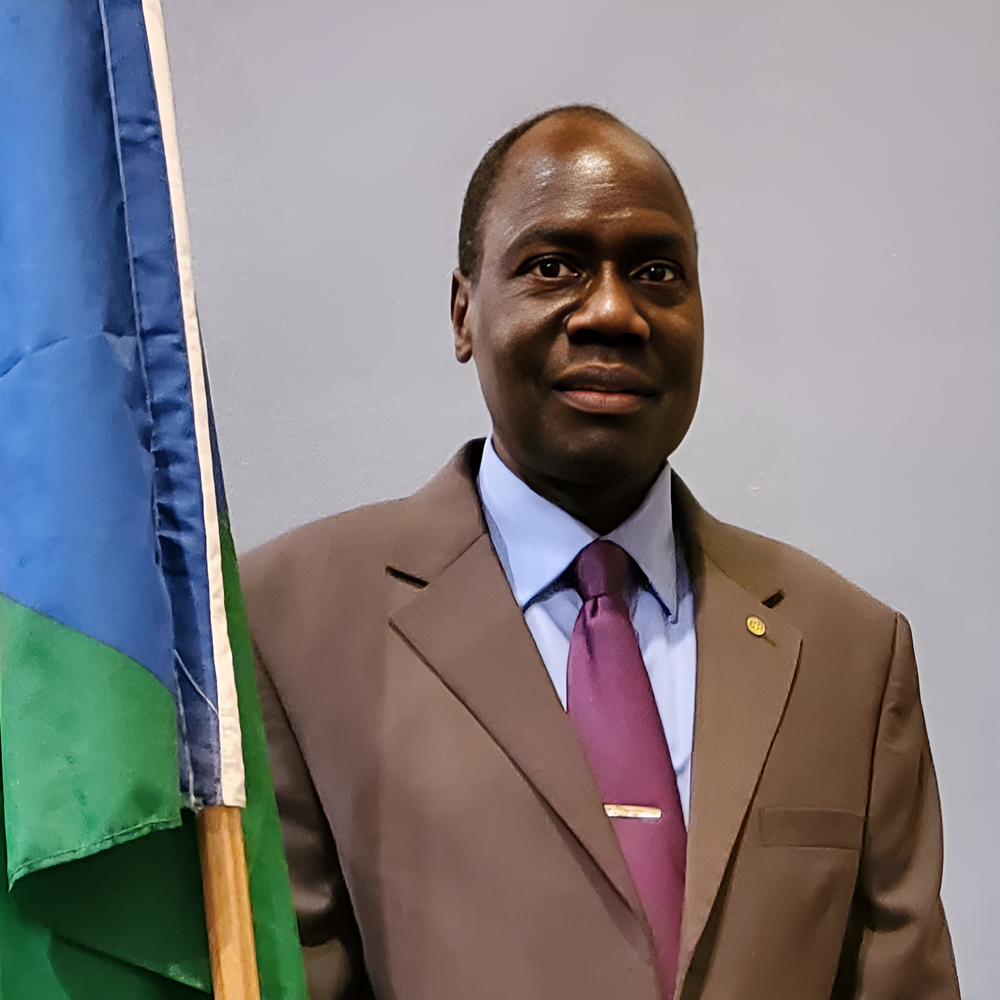
The Journey of Thomas Nyang
Thomas Nyang has dedicated his life to serving Sudanese communities through faith, education, and cultural preservation.
1998: Co-founded the First Sudanese Church in Gambella, Ethiopia, serving as treasurer and later as head pastor.
1991: Returned to Sudan amidst political changes.
1992: Moved to Kenya, serving as assistant pastor at the Sudanese Church in Walda Refugee Camp.
1994: Resettled in the United States as a refugee.
1997–2004: Held various leadership roles within the South Sudanese Mission Covenant Church, including treasurer, vice president, and president.
2006: Founded the Thok-Naath language program in San Diego to help South Sudanese youth connect with their heritage.
2009: Established Jarweng Educational Development (JED), focusing on providing educational opportunities to underserved communities in South Sudan.
Thomas Nyang’s unwavering commitment has empowered countless individuals, bridging cultures and fostering growth through education and faith.
Pany Malual Yuol – A Journey of Perseverance
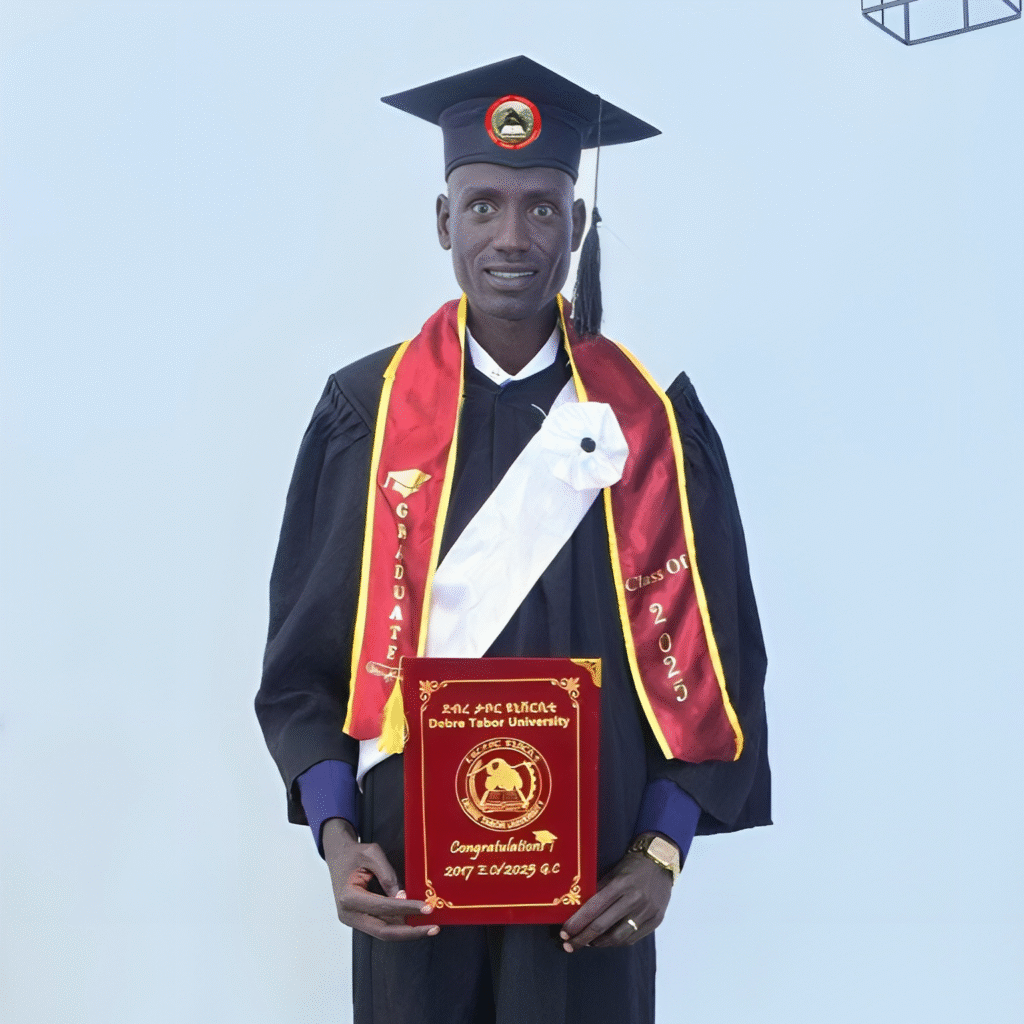
Pany Malual Yuol’s inspiring journey began at Purbor Primary School, where his dedication to education first took root. On July 5, 2009, he took a bold step forward, reaching out to ask about photos from the 2009–2010 school year—a reminder of the friendships and milestones that shaped his early years.
Despite the challenges faced in displacement, Pany continued to pursue his studies with resilience and determination. Through the support of UNHCR in Ethiopia, he was able to access the resources and guidance needed to complete his education.
In 2025, Pany proudly graduated in Ethiopia, marking a powerful achievement in his life—a testament to his perseverance and the importance of community and support.
Our Livelihood Through Farming and Livestock
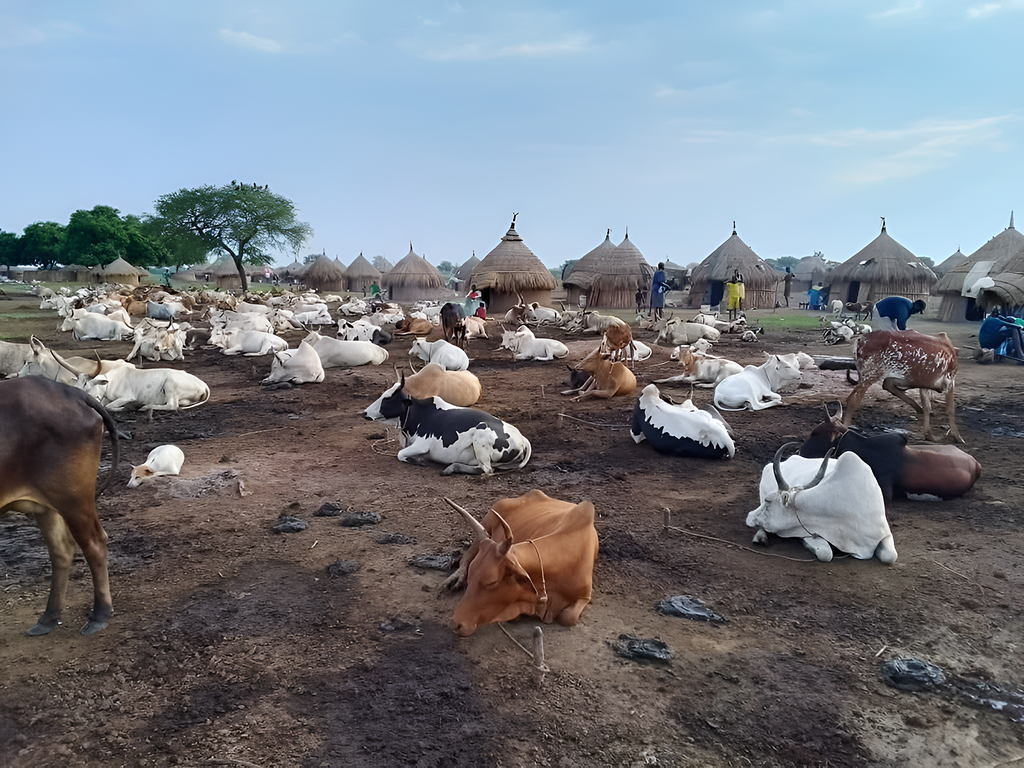
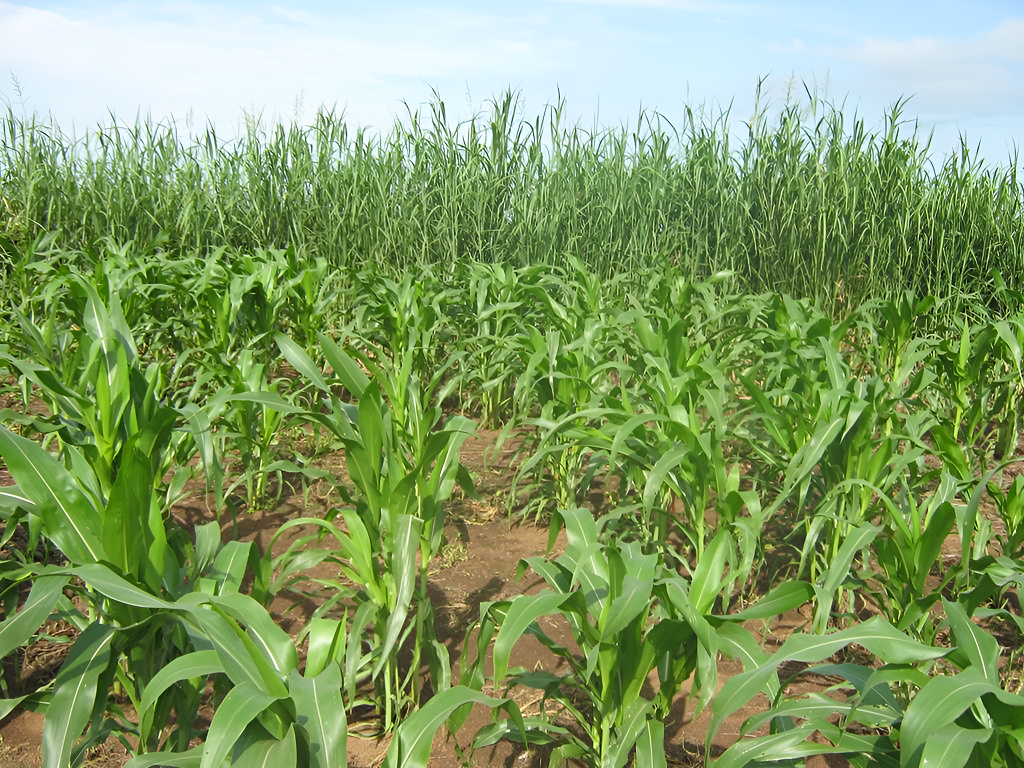
In South Sudan’s rural villages, agriculture and livestock are the backbone of daily survival. By growing their own crops and raising cattle, families reduce reliance on aid, secure their food supply, and create income. Promoting farming empowers communities to be self-sufficient, improves nutrition, and builds resilience against climate and economic challenges.
Our Values

Cultural Preservation
We are dedicated to preserving South Sudanese heritage, ensuring that traditions and cultural identities are celebrated and passed down through generations.

Educational Empowerment
Our mission is to provide accessible education, fostering knowledge and skills that empower individuals and communities to thrive.

Community Development
We focus on building strong communities through initiatives that promote health, economic growth, and social cohesion.